Writings

Principle Perspective
Principle Perspective is a research publication providing biblical and practical analysis on major issues affecting society. It is formulated with insight designed to provide alternative commentary and analysis on particular issues, events, or newsworthy topics not found in the media. Each issue of Principle Perspective contains a feature article (usually related to the title of the issue) and several other shorter commentaries. The journal typically contains research and articles from collaborating organizations or think-tanks.

Essays
IPS essays provide deeper analysis and greater scholarship than commentaries. All essays are reviewed for factual accuracy by our research team. In addition, essays written by in-house staff are reviewed for both factual and analytical integrity by outside scholars who may include one or more members of our Scholars Council. Essays written by non-IPS authors receive similar scrutiny from our in-house staff.

Commentaries
IPS commentaries are designed to provide comment and analysis on a particular issue or event. Commentaries are our least scholarly publications and generally include little or no research. They do, however, provide solid analysis of their subject from a principle perspective.

Book Reviews
Each book we promote and sell at IPS is carefully chosen because of its unique ability to communicate the views of our Founding Fathers. The educational potential of each of our books is tremendous, and we believe that if they are faithfully read, these important books can become stepping stones to educating and changing hearts and minds. Take a closer look at some of our books with reviews from IPS staff.
Principle Post
Principle Post is a short, periodic thought on a current news topic designed to insert a principle into the core of the discussion. Written by varying staff members, Principle Post seeks to divert civil debate away from ad hominem attacks or emotions to actual arguments. The emphasis of the posts are on ethics (right versus wrong) and the proper role of government from a biblical, individual liberty perspective.



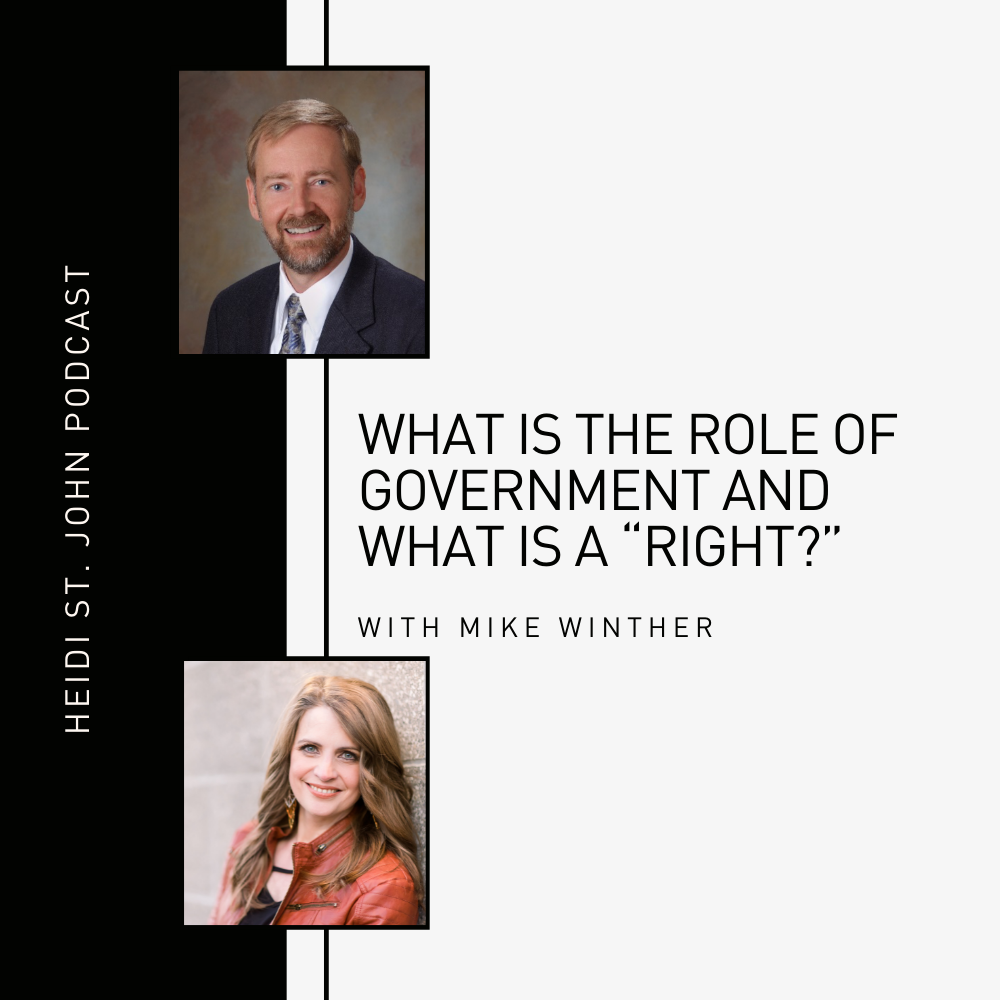
![Featured image for “Biblical Principles of Government (10b) [Podcast]”](https://principlestudies.org/wp-content/uploads/2024/05/Principle-Perspective-3000px-2-scaled.jpg)